
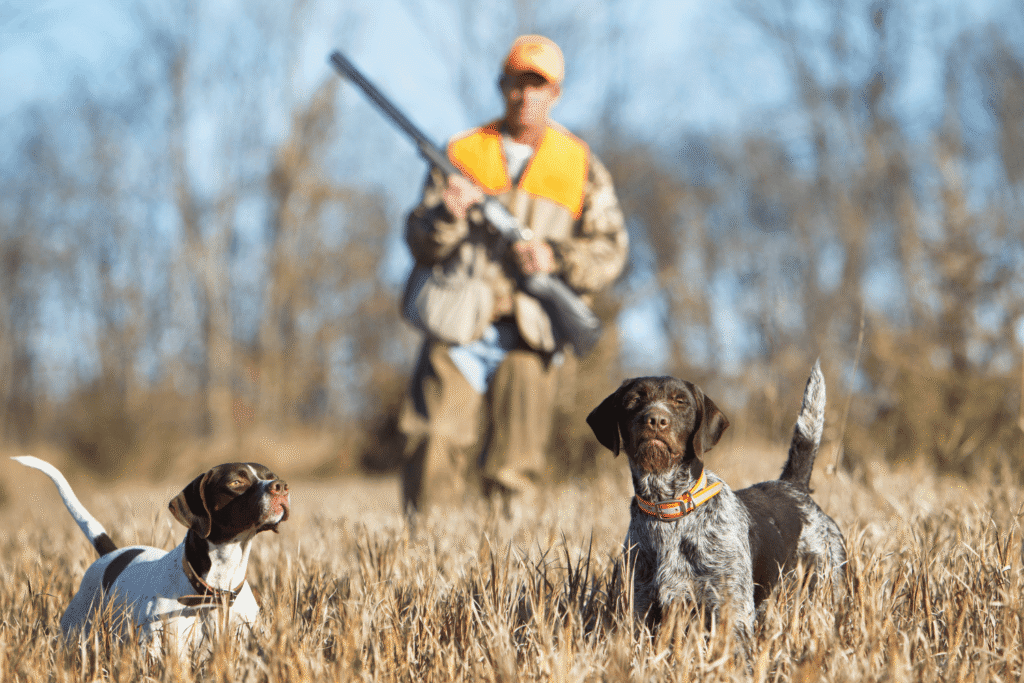
As fall hunting seasons approach, preparation matters as much as the time you spend in the field. A little planning before opening day can help you stay organized, follow applicable regulations, take care of your equipment, and focus on a safe, enjoyable hunt.
Use this guide as a starting point, then adapt it to your location, the game you pursue, the property where you hunt, and the rules in your state. Always review current regulations directly through your state wildlife agency before heading out.
Before packing your gear, make sure the administrative side of your hunt is complete. Hunting rules can vary by state, season, species, hunting method, public or private land, and even the specific area where you plan to hunt. They also change, so last season’s information may not apply this year.
Review the official regulations for your planned hunt, including license and tag requirements, season dates, legal shooting hours, bag limits, approved equipment, required clothing, and harvest-reporting procedures. If you are hunting on private property, confirm permission well in advance. If you are using public land, take time to understand area boundaries, parking requirements, and any special restrictions.
Keep your license, tags, photo ID, landowner permission, hunter-education documentation, and other required paperwork together in a waterproof pouch. Hunter-preparation resources consistently recommend verifying current rules, dates, limits, legal equipment, and reporting requirements before every season.
The morning of a hunt is the wrong time to discover a loose scope, dead headlamp battery, broken zipper, or worn boot sole. Give yourself enough time before the season starts to inspect your firearm, optics, clothing, and supporting equipment.
Begin with safe firearm handling. Verify that the firearm is unloaded before you inspect it. Check for excessive fouling, corrosion, damaged screws, loose mounts, worn slings, or any issue that could affect reliable operation. If you find a problem you are not comfortable addressing, have a qualified gunsmith inspect it.
Then work through the equipment you will rely on outdoors.
| Equipment category | What to check before heading out |
| Firearm and optics | Confirm the firearm is clean, sights or optics are secure, and all equipment is functioning as expected |
| Clothing and footwear | Check layers, rain gear, gloves, socks, and broken-in boots for fit, damage, and weather readiness |
| Navigation and communication | Charge your phone, GPS, headlamp, and radio; bring fresh or spare batteries and pack map-and-compass backups |
| Field gear | Inspect your pack, game bags, binoculars, flashlight, first-aid supplies, and water-carrying system |
| Transportation | Confirm your firearm case, locks, vehicle supplies, and any required storage equipment are ready |
A pre-hunt inspection is a recommended habit before each trip, followed by a quick second check after you arrive at the hunting location.
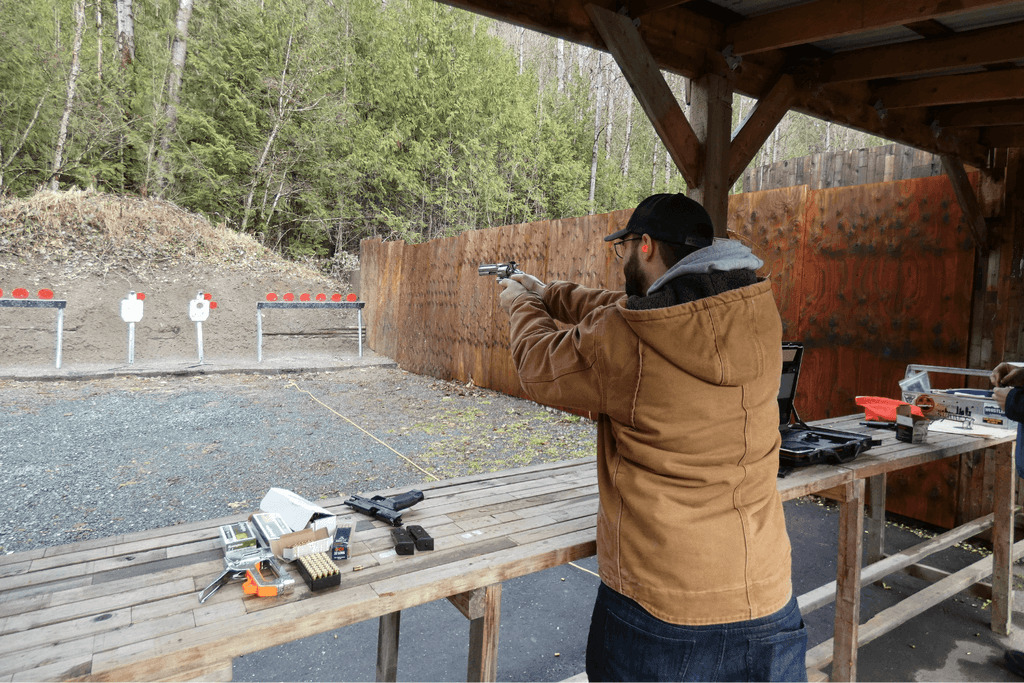
Your first outing should not be the first time you have handled your firearm in months. A range session before the season helps you refresh safe habits, confirm that your gear is working properly, and build confidence with the setup you will use in the field.
Practice with the clothing and accessories you expect to wear while hunting. A thick jacket, gloves, or rain gear can change the way a firearm feels and how easily you can operate controls. Use your time at the range to confirm that your sighting system is performing as expected and to become comfortable with safe loading, unloading, carrying, and transportation procedures.
The NSSF’s hunter-safety guidance includes regular practice, proper firearm maintenance, safe transport, and a review of core handling rules as part of responsible pre-season preparation.
Fall weather can be unpredictable. A cool morning can turn warm, rain can arrive early, and temperatures can drop quickly once the sun goes down. Rather than packing for one forecast, build your clothing and field kit around layers, protection from moisture, and the terrain you expect to cover.
A moisture-wicking base layer, insulation, and a rain-resistant outer layer give you more flexibility than one heavy garment. Add a warm hat, gloves, extra socks, and broken-in boots that are appropriate for the ground conditions. When required in your area, bring blaze orange or fluorescent-pink outerwear and wear it as directed by local regulations.
For a long day outdoors, the practical basics matter too: water, food, sunscreen, insect protection, a headlamp, and a way to handle changing weather. Field-preparation checklists regularly include dependable footwear, weather-appropriate layers, food, water, maps or GPS, and emergency supplies.
A field-safety kit is not about carrying every possible item. It is about matching your supplies to the distance, terrain, weather, duration, and communication options involved in your specific hunt.
| Need | Practical items to consider |
| Medical readiness | A first-aid kit, personal medications, and medical supplies you have been trained to use |
| Hydration and food | Water, a backup water-treatment option when appropriate, and high-energy snacks or meals |
| Navigation | GPS or map app, plus a paper map and compass as reliable backups |
| Light and power | Headlamp or flashlight, spare batteries, and a portable phone charger |
| Communication | Charged phone, whistle, two-way radio, or satellite communicator where coverage is limited |
| Emergency shelter | Emergency blanket, lightweight shelter, and a weather-appropriate fire-starting method |
The right kit will be different for a short walk to a nearby blind than for a full day in remote terrain. The key is to prepare for the possibility that your return takes longer than planned. Carry only tools and medical supplies you understand how to use, and make sure they are accessible rather than buried at the bottom of your pack.
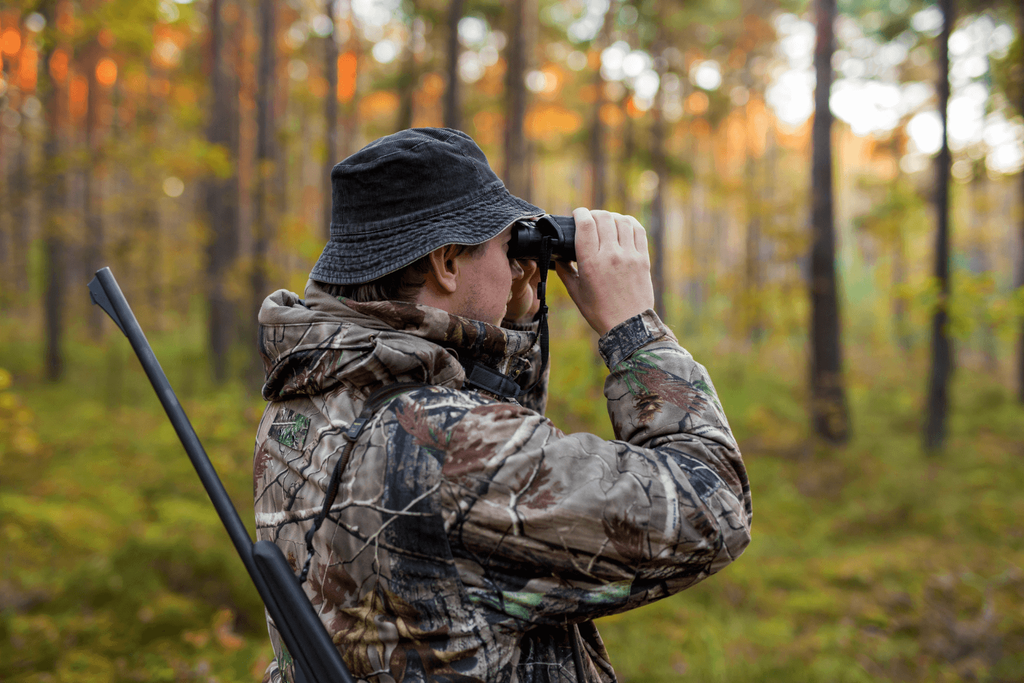
One of the easiest safety steps is also one of the most important: tell someone where you are going.
Before leaving, share your hunting area, planned access point, vehicle description, expected return time, and contact information for anyone joining you. If you have an established route or stand location, provide that information when it is safe and appropriate to do so. Set a check-in time, and be clear about what your contact should do if you do not return or communicate as planned.
If you are hunting with a group, discuss boundaries, meeting points, and communication expectations before anybody separates. This helps prevent confusion in the field and makes it easier to respond if plans change. A good pre-hunt plan includes location details, timing, emergency contacts, communication equipment, and first-aid considerations.
A hunting checklist should end where every safe outing begins: with responsible firearm handling.
Before you leave the vehicle and throughout the hunt, treat every firearm as if it is loaded, keep the muzzle pointed in a safe direction, and keep your finger outside the trigger guard until you are ready to shoot. Positively identify your target and know what is beyond it before taking a shot.
Unload before climbing, crossing an obstacle, entering or exiting a vehicle, or handing a firearm to another person. If you hunt from an elevated stand, use a safety harness and follow the manufacturer’s instructions for the stand and harness system. Secure firearms and ammunition properly after the hunt is complete.
These habits are not seasonal, they are the foundation of every responsible day in the field. NSSF’s hunting guidance similarly emphasizes safe transportation, visibility clothing where applicable, target awareness, unloading around obstacles and vehicles, and fall protection for tree-stand hunting.
A successful fall hunt starts before you enter the woods. Confirm the regulations, inspect your equipment, spend time practicing, prepare for shifting conditions, build an appropriate safety kit, and share your plan with someone you trust.
MAC Shows events are a great place to explore hunting gear, maintenance supplies, optics, storage solutions, range equipment, and other practical items for the season ahead. Visit an upcoming MAC Shows event to speak with knowledgeable vendors, compare options in person, and find the gear that supports your next hunt.