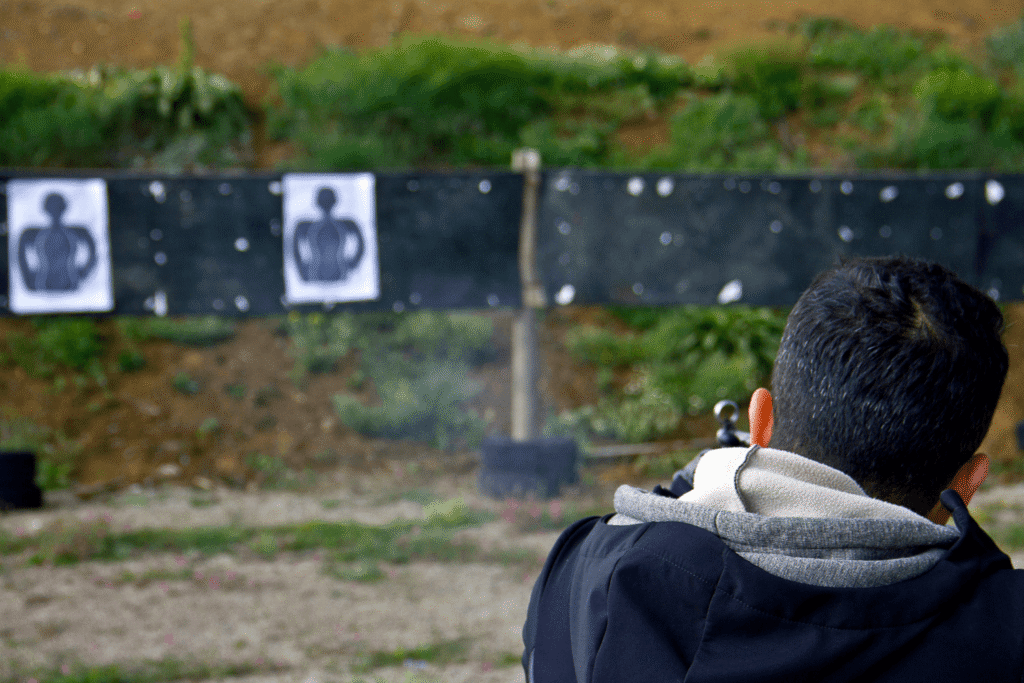
Staying consistent with shooting practice is one of the most important parts of responsible gun ownership. Whether your goal is self-defense, improving accuracy, or simply becoming more comfortable with your firearm, regular practice makes a noticeable difference over time.
But one of the most common questions gun owners ask is simple: how often should you practice shooting?
The answer depends on your goals, experience level, and schedule, but the key is finding a routine you can realistically maintain.
It’s easy to assume that more range time automatically leads to better results. While practice is important, consistency plays a much bigger role than occasional long sessions.
Shooting once every few months for several hours won’t build the same level of skill as shorter, more frequent sessions. Like any skill, shooting relies on muscle memory, focus, and repetition. Without regular practice, those skills begin to fade.
Even experienced shooters can notice a difference after time away from the range. That’s why building a routine, no matter how simple, is more effective than sporadic training.
For most gun owners, the ideal schedule isn’t about maximizing time, it’s about finding a balance.
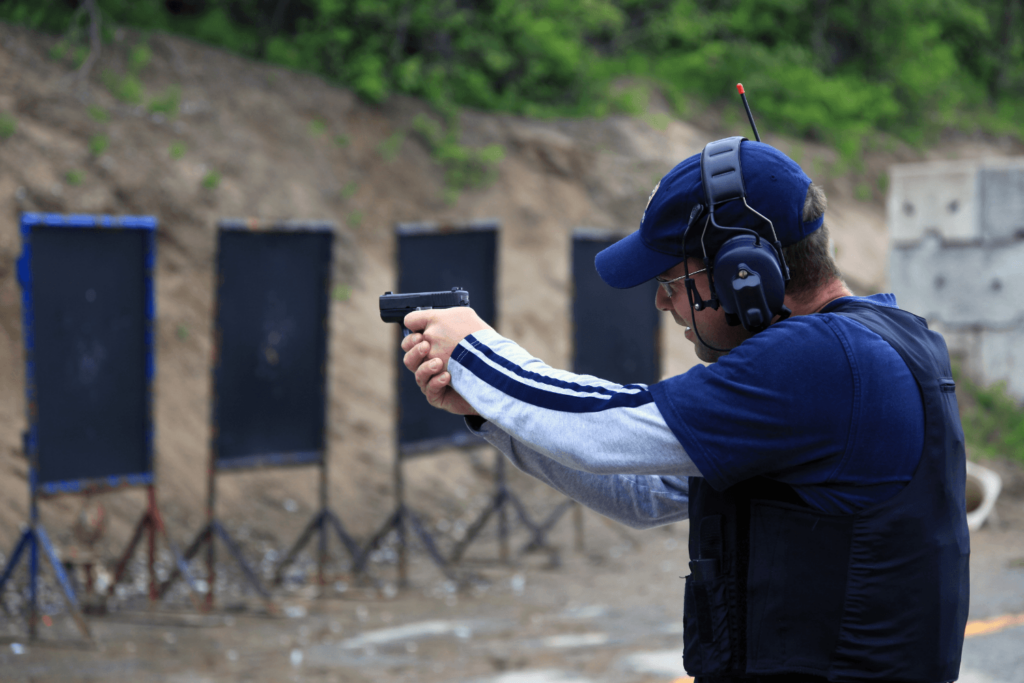
This approach keeps your skills sharp without requiring a major time commitment. If your schedule allows for more frequent range visits, that’s great, but even once a month can make a meaningful difference when paired with consistent practice habits.
The key is sustainability. A plan you can stick to will always outperform an ambitious schedule that quickly falls apart.
One of the most overlooked tools for improving shooting performance is dry fire practice. This involves practicing with an unloaded firearm, focusing on fundamentals like trigger control, grip, and sight alignment.
When combined with live fire at the range, it becomes one of the most effective ways to improve.
For many shooters, a few short dry fire sessions each week can significantly enhance results during range visits.
Not all practice is equally effective. Spending hours at the range without focus can lead to minimal improvement, or even reinforce bad habits.
Instead, focus on intentional practice. This means:
Even a short session can be productive if you approach it with purpose.
If you’re working on accuracy, slow things down. If you’re working on consistency, focus on repeatable movements. Improvement comes from deliberate effort, not just repetition.
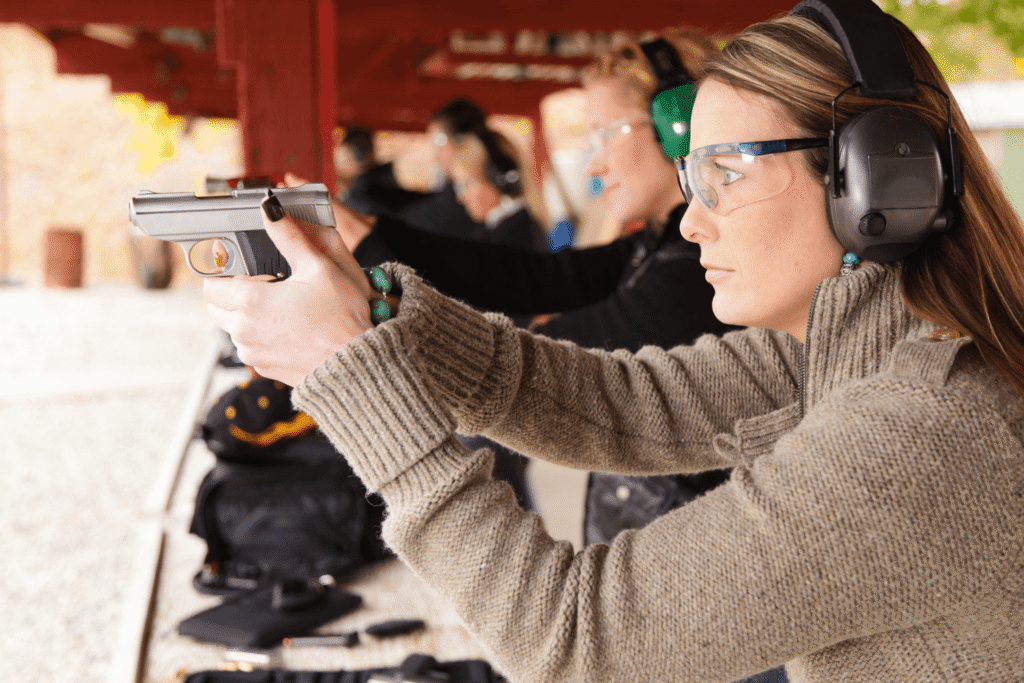
Your ideal practice schedule will depend on what you’re trying to achieve.
For example:
There’s no one-size-fits-all answer, but there is a common theme: regular engagement with your firearm leads to better results.
If you’re unsure whether your current routine is enough, there are a few indicators that it might be time to increase your practice frequency.
These include:
These aren’t failures, they’re simply signs that more repetition and familiarity are needed.
One of the easiest ways to stay consistent is to treat shooting like any other scheduled activity. Instead of waiting for free time, plan your range visits in advance.
Some shooters find success by:
Building a routine removes the guesswork and makes it easier to stay on track.
The most effective practice plan is one you can maintain long-term. It doesn’t need to be complicated or time-consuming, it just needs to be consistent.
Whether you’re visiting the range once a month or practicing dry fire a few times a week, what matters most is staying engaged and continuing to improve.
Having the right gear on hand makes it easier to stay consistent with your practice. From ammunition and targets to accessories and maintenance tools, being prepared removes barriers and helps you focus on improving.
MAC Shows events are a great place to find what you need to support your shooting routine. With a wide range of vendors and gear available, you can build a setup that fits your needs and helps you stay consistent.