
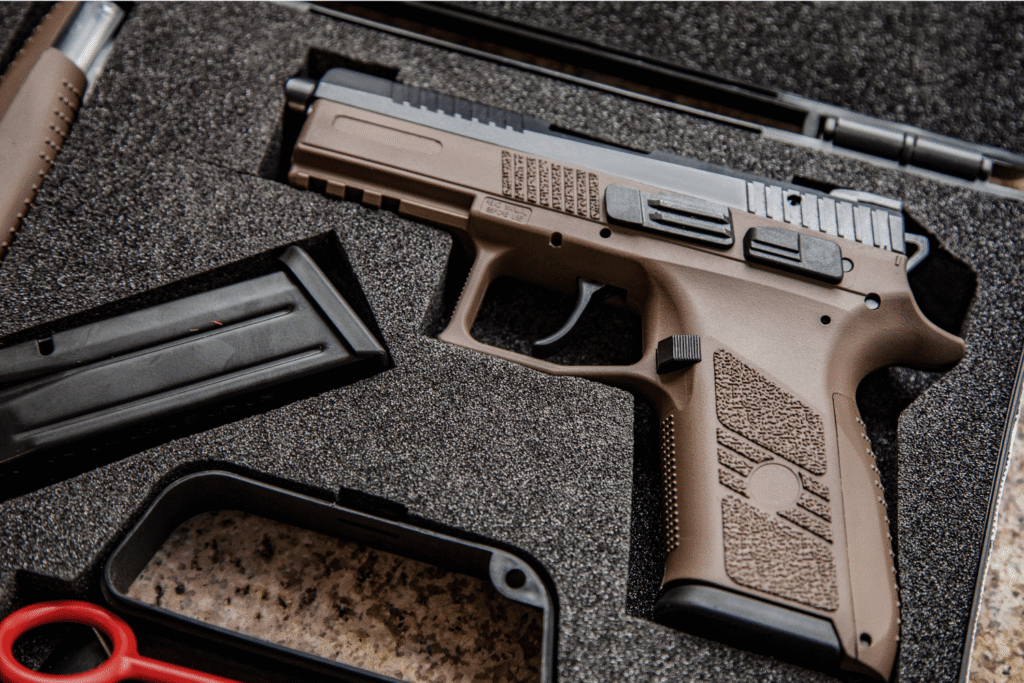
Used guns are one of the best reasons to walk a gun show. You can find models that are hard to source new, save money compared to full retail pricing, and get a real feel for the firearm in your hands before you decide. But a good deal on paper can turn into regret if you do not know how to check condition.
At MAC Shows events, you will see plenty of used firearms on vendor tables and from individual sellers. This guide will give you a straightforward checklist you can use at any show so you can inspect used guns with more confidence.
Before you pick up a single gun, take a second to look at who is selling it.
A used gun from a long-time dealer or well-known shop often comes with a bit more assurance about how it was taken in and evaluated. A private seller might have a great gun at a great price, but you will want to ask more questions.
Reasonable questions include: How long have you owned it? How much has it been shot? Has anything been changed or repaired? A seller who knows the gun and is willing to talk through its history is usually a better sign than someone who brushes off questions.
The goal here is not an interrogation. You just want enough background to know whether what you see on the gun matches the story you are hearing.
No matter where you are buying, always start by confirming that the firearm is unloaded.
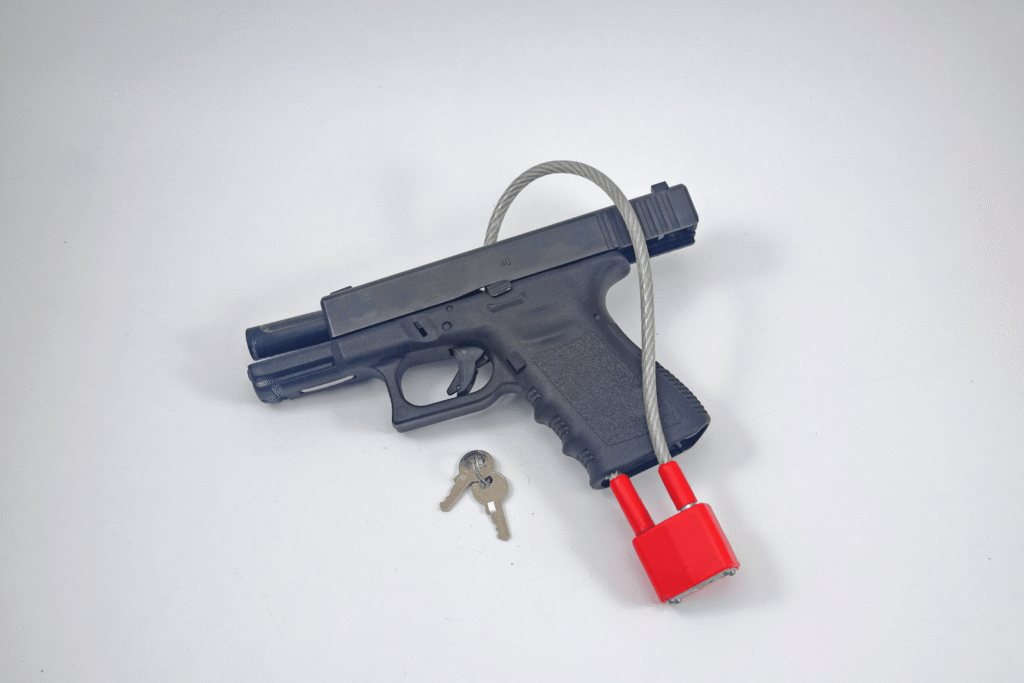
MAC shows, like other reputable events, do not allow loaded firearms in the building and use zip ties or other devices to prevent loading and firing. Even so, you should personally confirm the gun is clear before you inspect it.
With permission and within the limits of any safety devices, open the action, remove the magazine if there is one, and verify there is no round in the chamber. Never assume someone else has already done it.
Once you have confirmed the gun is clear, you can move on to the actual condition check.
Before you get into details, give the gun a general once-over.
Look for:
Holster wear on slide edges or light finish wear on high spots is common and usually cosmetic. Long scratches, heavy rust, deep pitting, or signs of impact are bigger concerns.
Check that screws, pins, and small components are present and look correct for the model. Stripped screws or badly fitting parts can hint at sloppy work or past damage.
If the exterior condition looks rough and the price does not clearly reflect that, it may be a sign to move on.
Next, see how the gun feels when you operate it, as far as the show’s safety tie-downs allow.
With the seller’s permission:
Without dry-firing unless the seller is comfortable with it, check safeties, decockers, magazine releases, and slide or bolt locks. They should move positively and do their job without sticking.
A little movement in certain designs is normal, but a noticeable rattle can indicate loose parts or excessive wear. Gently rock the gun and see if anything feels loose that should not.
A used gun does not have to feel brand new, but it should feel mechanically sound and consistent.
The condition of the barrel plays a big role in accuracy and overall health.
If the seller allows and safety devices permit:
Deep scratches, rough spots, or areas where the rifling looks eaten away can signal past neglect or improper cleaning. That does not automatically make the gun unsafe, but it can affect performance and value.
On some compact or heavily zip-tied guns, you may not be able to get a perfect look at the bore, but even a partial view is better than guessing.
Wear on moving parts tells you a lot about how much a gun has been used and how well it has been maintained.
As best you can at the table:
Look at slide rails, locking lugs, or other metal-on-metal contact areas for heavy peening, cracks, or sharp burrs. Smooth, even wear is normal; jagged or hammered-looking spots are not.
On polymer frames, look for cracks or bulges. On metal frames or receivers, look for unusual bending, dents, or areas that look like they were repaired poorly.
If you can partially open or field strip the gun with the seller’s permission, check internal surfaces for rust or pitting that did not show on the outside.
You do not need to be a gunsmith to notice when something looks seriously wrong. If anything catches your eye and does not match the asking price, ask about it.
Magazines are part of the system. A used gun with tired or damaged mags can cause headaches later.
If the firearm uses magazines:
With the seller’s approval, insert the magazine and confirm it seats properly and drops free or removes smoothly when you hit the release.
Make sure baseplates are secure and do not feel loose. Light pressure on the follower should feel firm, not overly weak or gritty.
If magazines are in poor condition, factor the cost of replacements into the value of the deal.
Not every mark is a problem, and not every shiny finish means a gun is in great shape.
Generally:
Holster wear on the slide, light finish wear on sharp edges, and minor handling marks on grips or stocks are common and often just cosmetic. They can even be your friend if they help you negotiate a better price.
Cracked frames or stocks, deep pitting from rust, bent or heavily marred sights, badly stripped screws, major dents, or signs that someone “fixed” something with the wrong tools are reasons to slow down or walk away.
Always weigh what you are seeing against the asking price. A gun with visible issues might still be an acceptable project if the price reflects it and you know what you are getting into, but it should not be priced like a clean example.
One of the most important tools you have at a gun show is the ability to say no.
Consider walking away when:
There will always be other guns and other shows. Leaving a questionable deal on the table is almost always better than trying to talk yourself into it.
To keep it simple, you can mentally run through this checklist at any MAC event:
With that process, you do not have to be an expert to make better decisions about used guns at a show. You just need to be patient, observant, and willing to walk away when something does not feel right.