
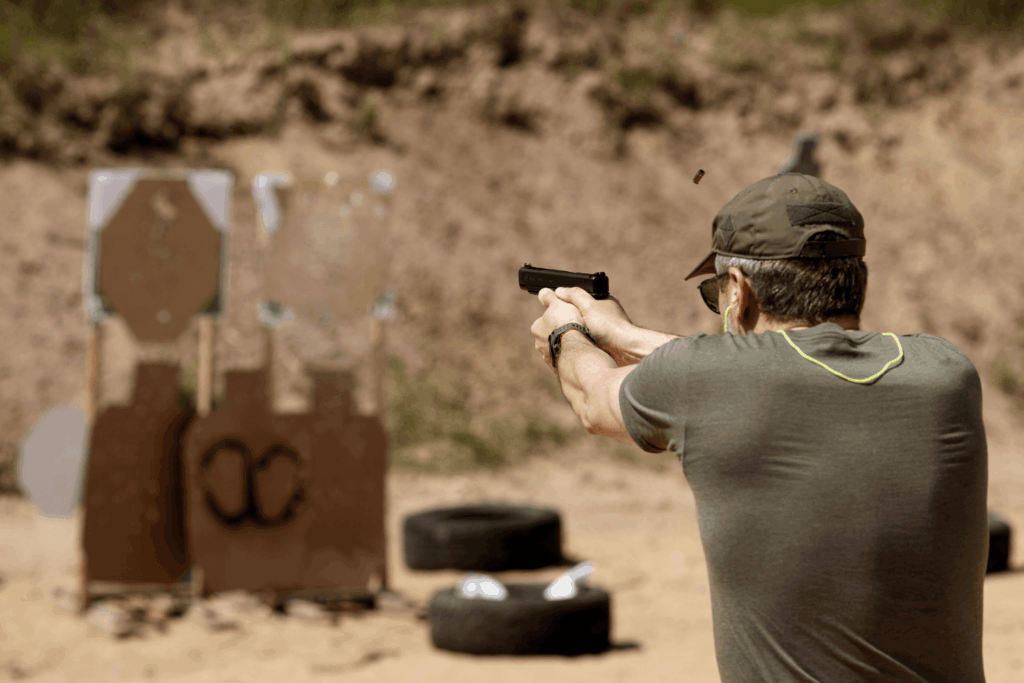
Whether you’ve just purchased your first firearm or have been a responsible gun owner for years, safety at home should always be your top priority. Owning a firearm means taking full responsibility for how it’s handled, stored, and accessed, especially in a household with children or visitors. The good news is that strong habits and a few simple precautions can make a significant difference.
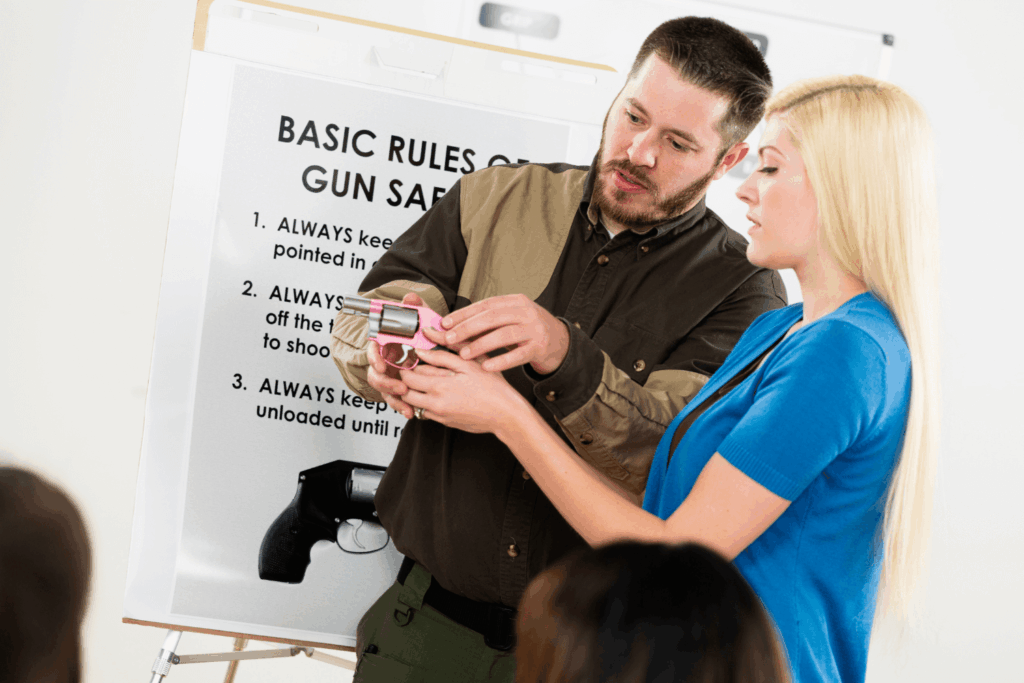
Every gun owner should follow these four fundamental rules, without exception:
Even if you’re sure it’s not, this mindset helps prevent careless mistakes.
This applies during cleaning, handling, or passing the firearm to someone else.
Resting your finger outside the trigger guard prevents accidental discharge.
This applies both at the range and in potential home defense situations.
Following these basic rules will form the foundation for safe gun ownership, no matter your experience level.
Even when you’re not at the range, firearms demand the same respect and caution. These are key best practices to follow daily:
How you store your firearms will depend on the type of firearm, who lives in your household, and your specific needs. Here are some of the most common storage solutions:
Always store ammunition separately from firearms unless the gun is intended for personal protection and stored in a quick-access safe.
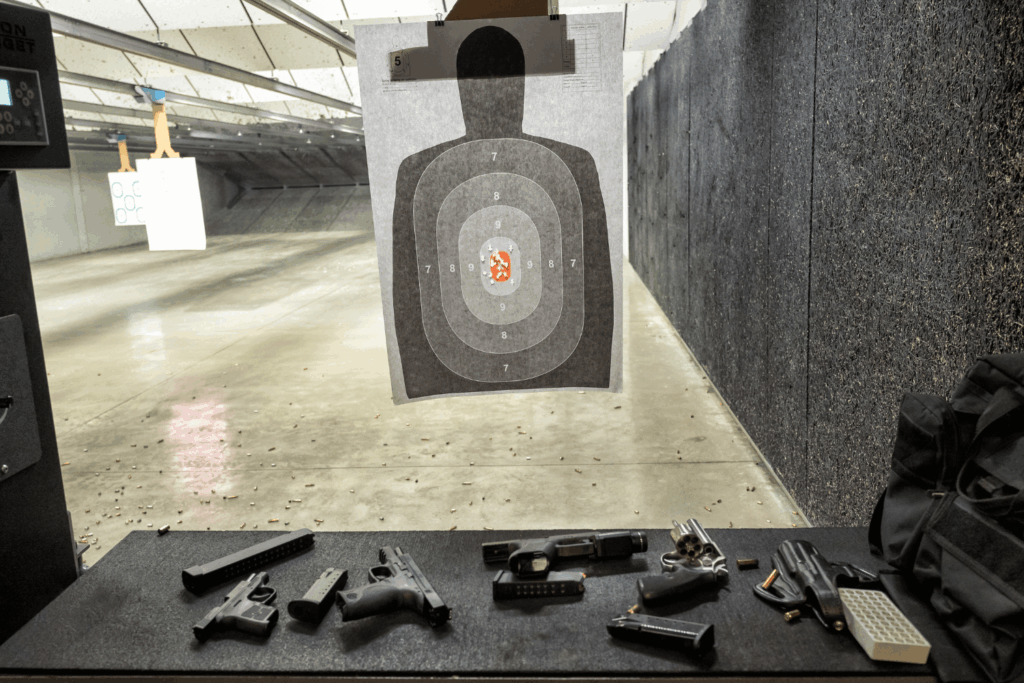
No matter how long you’ve owned a firearm, continuing education is part of being a responsible gun owner. Consider the following:
The more time you invest in training, the safer and more confident you’ll become.
Mistakes can happen. Having a plan in place could prevent a minor error from becoming something much worse.
If a gun is accessed without your knowledge: Secure the firearm immediately, assess for injuries, and review what allowed the access to happen. Make adjustments to your storage plan as needed.
If there is an accidental discharge: Ensure everyone is safe. If anyone is injured, seek medical help immediately. Treat the situation seriously, even if no harm was done.
If a firearm is stolen: Report it to your local authorities as soon as possible and be prepared with make, model, and serial number details.
Being a responsible gun owner starts at home. Whether you’re protecting your family, collecting, or carrying for personal defense, safe storage and handling must always come first. Good habits, proper tools, and ongoing education are the keys to keeping your home secure.